

How to Install Infant Car Seats Safely
Look for infant seats that meet FMVSS 213 in the United States or the equivalent in your region (such as i-Size/UN R129 in Europe). Clear labeling should indicate the seat’s tested weight and height bounds, as well as manufacturing date. Many seats also advertise features like side‑impact protection and secure harness design, which are important for real-world use with wriggly babies. Remember to retire a seat after its expiration date or after a crash, per the manual.
Table of Contents
Our Top Picks
Affiliate disclosure: if you buy through these links, we may earn a commission at no extra cost to you.


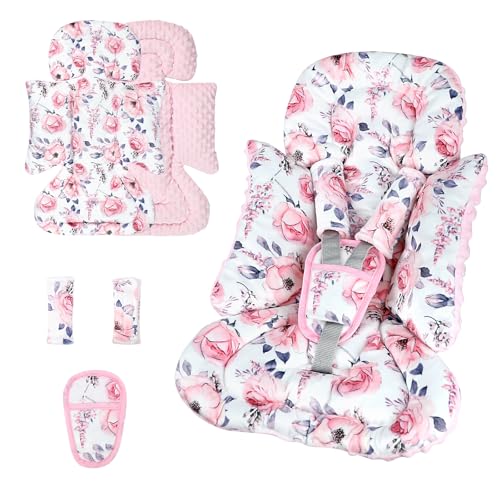
Factors to Consider
Safety certifications and standards
Compatibility with vehicle and child size
Check that the seat fits your car’s back seat without crowding airbags or blocking access to other passengers. Infant seats typically cover newborns to about 22-35 pounds, with height limits around 28-32 inches depending on the model; verify your child’s current size and plan for growth. If you plan to use a base, confirm whether your vehicle supports LATCH or locking seat belts for that base. In smaller cars or tight third-row spaces, some bases may be bulkier, so compare width and installation space before buying.
Installation ease and base features
Choose a model with helpful indicators such as a built‑in level and easy-to-use tighten/lock mechanisms to reduce misinstallations. Decide whether you want a base that remains in the car or a seat‑without-base option for easier swapping between vehicles; bases typically simplify daily use but add bulk. If you’ll switch cars often, verify cross‑car compatibility or be prepared to install with a seat belt in each vehicle. Consider getting a certified Child Passenger Safety technician to check your home setup after you purchase.
Washability, durability, and daily wear
Prefer removable, machine-washable covers and padding that can withstand frequent cleaning, as infant messes happen. Look for fabrics designed to endure repeated washing without pilling or fading, since you’ll use the seat for several months. Check the shell and harness for sturdiness and smooth adjustability; ensure the harness straps aren’t twisted and the clip sits at armpit level for comfort and safety. Always follow care labels, since some components require spot cleaning or dry cleaning only.
Frequently Asked Questions
How do I know if an infant car seat will fit my stroller or travel system?
Many seats are sold as part of a travel system with compatible strollers; check the product page for official adapters or compatibility notes. If buying separately, look for adapters or confirm with the stroller manufacturer that the seat is compatible. Practically, visit a store or check verified retailer listings to confirm fit in real life.
How long can I use an infant car seat before moving to a convertible seat?
Most infant seats are designed for newborns up to about 22-35 pounds and roughly up to 28-32 inches in height, but exact limits vary by model. The American Academy of Pediatrics recommends rear‑facing to at least age 2 and ideally longer, as rear‑facing significantly reduces injury risk in crashes. Always transition when the child reaches the seat’s upper weight/height limit.
Can I install an infant car seat with just the seat belt?
Yes, many infant seats can be installed with a vehicle seat belt if a base is not used or if the car requires belt installation. Some bases are designed to stay in the car and are secured with LATCH or seat belts; if you install without a base, carefully route the seat belt as instructed and tighten until firm. If you’re unsure, have a certified technician check the installation.
What’s the difference between i-Size and FMVSS 213?
i-Size (UN R129) uses height-based sizing and emphasizes side-impact protection, with a standardized labeling system in many markets. FMVSS 213 is the U.S. standard based on weight-based limits and includes installation and harnessing requirements. Some seats meet both standards; always follow the local regulatory guidance and the seat’s own labels to know your limits.
How should I clean the car seat cover and padding?
Most infant seats offer removable covers that are machine washable; follow the manufacturer’s care label for water temperature and cycle settings. Remove padding that isn’t required for safety during cleaning, and avoid bleach or fabric softeners that can degrade fabric over time. Let components air dry completely before reassembling to prevent mold and odor.
What are signs of improper installation I should watch for?
A seat that moves more than about an inch side-to-side at the belt path, twisted harness straps, or a chest clip placed below the armpits can indicate improper installation. If the base or carrier wiggles after tightening, recheck the belt path and tension; seek a hands-on check from a CPS technician to confirm alignment. Research shows misinstallation is common, and training or in-person checks significantly reduce these errors.
How long should I keep using the car seat and when should I replace it?
Most seats have an expiration date set by the manufacturer, commonly around 6 years from the date of manufacture, after which materials can degrade. Replace the seat after a moderate or severe crash, even if it looks fine, per guidance from safety organizations and manufacturers. If a seat has damaged components or a torn fabric that cannot be repaired, replace it sooner for safety.


