

How to Choose the Right Infant Car Seats
⚡ Quick Answer
As a pediatric occupational therapist and a parent myself, I know that selecting the right infant car seat can feel overwhelming. Safety is paramount, but ease of use, compatibility with your vehicle, and your child's developmental needs all matter. A well-chosen car seat provides peace of mind during travel, ensuring your little one is protected and comfortable every step of the way.
Table of Contents
In this guide, you'll find practical advice rooted in evidence-based standards, highlighting what to look for, how to navigate installation, and what features truly matter for your child's safety and your convenience.
Our Top Picks in Detail
Affiliate disclosure: if you buy through these links, we may earn a commission at no extra cost to you.
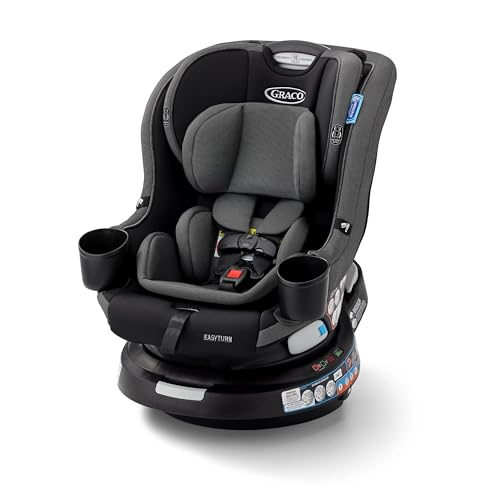
Graco EasyTurn 360 2-in-1 Convertible Car Seat, 360 Degree Rotating Infant to Toddler Rotating Car Seat, 2 Modes Forward and Rear Facing, Slim Design, Cyran
$349.99Check Price →This is the pick to look at first if you want a reliable, well-rounded option that handles everyday use without unnecessary compromises. Graco EasyTurn 360 2-in-1 Convertible Car Seat, 360 Degree Rotating Infant to Toddler Rotating Car Seat, 2 Modes Forward and Rear Facing, Slim Design, Cyran delivers solid performance across the features that matter most in this category.

Graco SnugRide SnugFit Infant Car Seat, Baby Car Seat with Anti Rebound Bar for Extra Safety, No-Rethread Harness, LATCH Equipped Carseat, Baby Essentials, Gift for New Parents, Gotham
$179.99Check Price →If the top pick doesn't quite fit your situation, Graco SnugRide SnugFit Infant Car Seat, Baby Car Seat with Anti Rebound Bar for Extra Safety, No-Rethread Harness, LATCH Equipped Carseat, Baby Essentials, Gift for New Parents, Gotham is worth a close look as a capable alternative that still covers the essentials well.

Graco SnugRide Lite LX Infant Car Seat, Lightweight Rear-Facing Seat for Babies 4–30 lb, 4-Position Adjustable Base, LATCH Installation & ProtectPlus Engineered, Studio
$139.99Check Price →For buyers who want the most for their money without sacrificing the features that actually matter, Graco SnugRide Lite LX Infant Car Seat, Lightweight Rear-Facing Seat for Babies 4–30 lb, 4-Position Adjustable Base, LATCH Installation & ProtectPlus Engineered, Studio is the practical choice at this price point.
Understanding Safety Certifications
Before focusing on features, always check that the car seat meets or exceeds current safety standards. Look for labels indicating compliance with Federal Motor Vehicle Safety Standard 213 (FMVSS 213) in the U.S. or ECE R44/04 and R129 (i-Size) in Europe. These certifications include crash testing and safety benchmarks ensuring that the product has undergone rigorous evaluation.
Opting for seats with reputable safety certifications helps ensure your child is protected with the latest safety innovations. Also, choose car seats from manufacturers with good track records of quality manufacturing and safety recalls.
Age and Weight Requirements
Infant car seats are designed to fit newborns through young toddlers, but specific weight and height limits vary. Always select a seat that accommodates your baby's current size and offers room to grow. Typically, infant seats are suitable from birth up to 22-35 pounds, and some extend up to 32-35 inches in height.
Use the weight and height markers on the seat and harness to ensure proper fit. Over time, as your baby grows, you'll need to transition to a convertible or booster seat—plan ahead by choosing a seat with adjustable features that will serve you throughout these stages.
Installing and Using the Car Seat
Proper installation is vital for safety. Many parents find that seats with Simple SafeLock, LATCH (Lower Anchors and Tethers for Children), or ISOFIX systems are easier to install correctly than seat belt installations. Always follow the manufacturer’s installation manual and double-check your work—many injuries occur due to incorrect installation.
A practical tip: Use the car seat's built-in indicators or a level indicator to ensure proper tilt and angle. Many seats have a recline or leveling mechanism that prevents slouching or slumping, which can compromise safety and comfort for infants.
Durability and Maintenance
Look for car seats with washable, removable fabrics. Babies can be messy, and seats with easily washable covers save you time and frustration. Check that the seat is well-constructed with durable materials that can withstand daily use and occasional cleaning.
It's also wise to use a sunshade or cover in sunny months to protect your child's sensitive skin. Keep an eye on the expiration date printed on the seat; most seats are valid for six to ten years, depending on the manufacturer, and should be replaced after any crash, or if parts become damaged or worn.
Future-Proofing and Transition Tips
While infant car seats are great for newborns and small babies, planning ahead for the next stage is wise. Choose a seat with adjustable harness heights and multiple recline positions to adapt as your child grows. Some seats can convert into toddler or booster seats, saving time and money.
When your child outgrows the seat, transition smoothly by choosing a model designed for longer use—these often include longer harness ranges and higher weight limits. Remember, the goal is a seamless journey through developmental stages without abrupt changes that compromise safety or comfort.
Frequently Asked Questions
How do I know if a car seat fits my vehicle?
Check the manufacturer’s specifications for vehicle compatibility. Many brands provide fit guides online, and you can also visit a local safety check event or consult with a certified technician for personalized recommendations.
Can I install the car seat myself?
Yes, most parents can install a seat correctly with careful reading of the manual and following safety guidelines. For peace of mind, have a certified technician verify your installation, especially during the first few uses.
Are expensive car seats safer?
While higher-end seats often include extra features, safety primarily depends on proper installation, certification compliance, and fit for your child's size. Invest in a seat that passes safety standards and suits your child's current age and weight.
How often should I replace the car seat?
Replace the seat after any crash, or if you notice visible damage, frayed harnesses, or worn fabric. Most seats have an expiration date marked on them—typically every 6-10 years—and should be discarded after that period.
What is the best way to transport a sleeping baby?
Always position infants in a properly installed car seat with the harness snug and appropriate for their size. Keep the seat upright during travel, and avoid loose bedding or padding that could interfere with harness safety. For naps on-the-go, some parents use compatible stroller systems for gentle transitions.
Choosing the right infant car seat isn’t just about safety—it's about peace of mind, ease of use, and supporting your child's growth. Take your time, do your research, and prioritize a seat that meets safety standards, fits your vehicle, and adapts to your child's changing needs.
Next step? Visit your local baby gear store or schedule a safety check with a certified technician to ensure the seat you’ve chosen is installed correctly. Your diligent effort now pays off with safer, more comfortable travels for your little one.


