

Best Baby Monitors for Summer Vacation Rentals with Multiple Babies on Memorial Day Weekend
🏆 Top Picks at a Glance
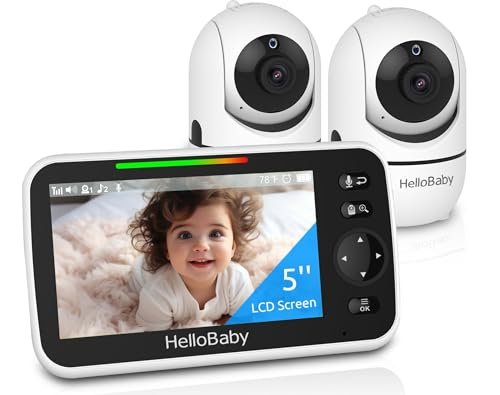 #1
#1
Best Overall
HelloBaby Upgrade 5’’ Baby Monitor with 30-Hour Battery, 2 Cameras Pan-Tilt-Zoom, 1000ft Range Video Audio Baby Monitor No WiFi, VOX, Night Vision, 2-Way Talk, 8 Lullabies and Temperature
$99.97
Check Price → #2
#2
Runner Up
HelloBaby Baby Monitor 6" World First IPS Screen 30H Battery, Secure No WiFi, Pan Tilt Video Camera with Night Vision, VOX, 2-Way Talk, 1000ft, Portable Video Audio Monitor Ideal for Mom, Elderly, Pet
$69.99
Check Price → #3
#3
Best Value
HelloBaby No WiFi Baby Monitor 5" Screen 30-Hour Battery Pan-Tilt-Zoom Video Upgrade with Camera and Audio, Night Vision, VOX, 2-Way Talk, 8 Lullabies and 1000ft Range, HB6550
$63.15
Check Price →Our Top Picks
Affiliate disclosure: if you buy through these links, we may earn a commission at no extra cost to you.
Factors to Consider
Safety certifications and privacy features
⚡ Quick Answer
Choose monitors that clearly list FCC Part 15 compliance in the US (and CE marking where applicable) to help ensure safe radio operation and regulatory compliance. Look for models that offer data encryption (such as AES‑128) for any cloud storage or app streaming, and check that firmware updates are automatic and verifiable. Remember, a monitor is a supervision tool, not a substitute for safe sleep practices recommended by pediatric guidelines.
Table of Contents
Interference, connection type and network privacy
Vacation rentals can be crowded with devices, so consider a system that uses a dedicated radio band (like DECT 6.0 or FHSS) instead of relying solely on 2.4 GHz Wi‑Fi, which can suffer from interference. If you opt for a Wi‑Fi model, enable strong passwords and two‑factor authentication, and keep firmware up to date to mitigate privacy risks noted in consumer‑tech research. A local‑only option or a camera with robust on‑device processing can reduce cloud exposure if your network is spotty.
Multi-baby monitoring capabilities
For households with more than one baby, confirm whether the system supports two or more cameras with a single parent unit or easy pairing of additional cameras. Features like split‑screen viewing, auto‑scan, night vision, and environmental sensors (temperature/humidity) help you monitor multiple rooms without juggling devices. Durable mounting options and tidy cable management are especially helpful in rental setups where space and furniture vary.
Setup, use in travel and durability
Prioritize plug‑and‑play setups with minimal app requirements, since a tired parent will appreciate quick, reliable installs. Look for rugged housings, splash resistance, and components designed to handle travel and occasional bumps. If you’ll be using batteries, check whether the unit supports easy swapping or has long battery life for hotel rooms with limited outlets.
Washability, cleaning and longevity, plus age range
Choose models with wipe‑clean surfaces and removable covers where possible, so you can clean toys, camera housings, and bases between uses. Review the manufacturer’s cleaning guidelines to avoid moisture damage to lenses and electronics. Age range guidance is usually newborn through toddler; if you anticipate supervising older children, verify that the system can still be useful beyond infancy or repurpose cameras as security cameras as your child grows.
Frequently Asked Questions
Video monitor or audio-only—what should I choose for a summer rental?
A video monitor provides visual reassurance, which can be especially helpful when you’re juggling two babies and a busy rental layout. However, an audio monitor with a reliable parent unit can be lighter, cheaper, and sufficient if you primarily need quick checks and peace of mind; use a video option if you want to monitor for movement or if you want to verify sleep environment from another room.
Wi‑Fi vs non‑Wi‑Fi monitors—privacy and reliability?
Research on cloud‑connected devices highlights privacy risks when video feeds travel over the internet; consider models with local viewing or strong on‑device processing. If you choose a Wi‑Fi model, enable robust security (strong passwords, updated firmware, and two‑factor authentication) and disable cloud storage if you don’t need it. Non‑Wi‑Fi (DECT or FHSS) units avoid internet exposure but may require closer proximity of the parent unit and cameras.
Can I monitor two babies at once with one system?
Many systems support two cameras and either a split‑screen or quick switching between feeds. If you truly need simultaneous viewing, confirm the number of cameras supported and whether the parent unit (or app) can handle multi‑camera layouts without lag. Add‑on cameras are common, but verify compatibility and any extra costs.
How easy is it to set up in a hotel or rental property?
Look for a model with simple plug‑in power, quick pairing, and minimal app requirements, since a hotel or rental may have inconsistent Wi‑Fi. A straightforward setup helps you get to sleep sooner and reduces the risk of misconfigurations in unfamiliar spaces. Pack a small power strip and extra batteries to cover common power gaps in rentals.
What is typical range and battery life?
Indoor ranges advertised for common monitors vary widely, often around 50–200 feet in typical home layouts, with longer ranges offered for rural or open spaces. Battery life on parent units commonly ranges from 8 to 24 hours depending on usage, which matters when you’re traveling and may not have easy charging options. If you’ll be away from outlets, prioritize models with good battery life or easy recharge options.
Are monitors easy to clean and durable for travel?
Choose units with wipe‑clean housings and washable accessories where possible, since travel can mean spills or splashes. Check cleaning recommendations in the manual to avoid damaging sensors or lenses. A rugged, splash‑proof design is particularly helpful when you’re moving between rooms or hotels during a long weekend.
What age range do baby monitors cover?
Most baby monitors are designed for newborns through toddlers, but exact age ranges are product‑specific. If you anticipate using the monitor beyond infancy, look for flexible features (e.g., camera flexibility, user‑defined alerts) that extend usefulness into the toddler years. Always verify the age guidance in the product specs before purchase.


