

Best Baby Monitors for Everyday Use
🏆 Top Picks at a Glance
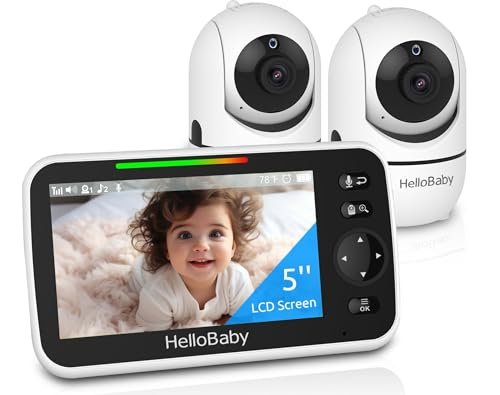 #1
#1
Best Overall
HelloBaby Upgrade 5’’ Baby Monitor with 30-Hour Battery, 2 Cameras Pan-Tilt-Zoom, 1000ft Range Video Audio Baby Monitor No WiFi, VOX, Night Vision, 2-Way Talk, 8 Lullabies and Temperature
$99.97
Check Price → #2
#2
Runner Up
Babytone Baby Sock Monitor with Base Station- Baby Sleep Monitor, Tracking Heart Rate and Movement with Sleep Patterns, Baby Foot Monitor with APP and Bluetooth, for 0-36 Months Infant
$179.99
Check Price → #3
#3
Best Value
HelloBaby Baby Monitor 6" World First IPS Screen 30H Battery, Secure No WiFi, Pan Tilt Video Camera with Night Vision, VOX, 2-Way Talk, 1000ft, Portable Video Audio Monitor Ideal for Mom, Elderly, Pet
$69.99
Check Price →Our Top Picks
Affiliate disclosure: if you buy through these links, we may earn a commission at no extra cost to you.
Factors to Consider
Safety certifications and privacy
⚡ Quick Answer
When selecting a baby monitor, prioritize models that are FCC-compliant and UL-listed where applicable, with additional certifications such as JPMA testing when available. For Wi‑Fi or cloud-connected cameras, look for end-to-end encryption and secure pairing, plus a clear update policy from the manufacturer so you’re protected against known vulnerabilities. Avoid devices with default passwords and weak security practices, and keep cords secured away from curious little hands. A safety-focused baseline helps reduce stress during late-night checks.
Table of Contents
Developmental appropriateness and age range
Choose a monitor that supports your child’s growth, such as wide-angle viewing or pan/tilt/zoom, so you can monitor a moving baby without repeatedly repositioning the unit. Some models offer features like gentle lullabies, alerts, or milestone-based settings that align with newborn through toddler stages; check the product’s stated age range to ensure continued usefulness. Ensuring the monitor adapts to different developmental stages can reduce the need for multiple devices and keep checks predictable. Developmentally appropriate features help caregivers respond quickly and calmly as your child grows.
Ease of use and setup for tired parents
Look for plug‑and‑play installation, clear pairing steps, and a parent unit with a straightforward interface and visible status lights or indicators. A dedicated parent unit often provides more stable performance than a phone-streaming setup, which can be prone to app glitches or notification fatigue. Confirm battery life and charging options so you aren’t hunting for cords in the middle of the night. Simple, reliable setup matters when energy is low and sleep is precious.
Durability, washability, and maintenance
Choose models with wipe‑clean housings and washable covers or easy-to-clean surfaces to handle spills and dust. Look for sturdy mounting options and minimal exposed cords near the crib to withstand daily handling. Battery type and life vary, so consider whether you prefer rechargeable batteries with a cradle or easily replaceable batteries. A durable, low-maintenance monitor reduces ongoing replacement costs and stress.
Frequently Asked Questions
What safety certifications should I look for in a baby monitor?
Look for FCC or CE compliance and, when available, JPMA or UL-related safety testing. If the device is wireless or internet-connected, encryption and secure pairing are important, and manufacturers should offer regular firmware updates. Research-guided safety practices emphasize choosing certified products to reduce risk and increase reliability.
Are Wi‑Fi baby monitors safe for sleep time?
Privacy concerns with connected devices are common, so prioritize models that use strong encryption and provide clear privacy settings. Regular firmware updates and secure pairing reduce exposure to potential vulnerabilities. As with any sleep tool, place the monitor out of the baby’s crib and keep cords secured to minimize entanglement risk.
Should I choose an audio-only monitor or a video monitor?
Audio-only monitors are simple, often more reliable in low-signal situations, and reduce exposure to video data. Video monitors provide visual checks that can be helpful for reassurance during developmental transitions, but they may introduce privacy and setup considerations. The AAP emphasizes safe sleep environments, so use monitors as a supportive tool, not a substitute for a safe sleep setup.
How can I tell if setup will be easy for tired parents?
Look for clearly labeled steps, minimal components, and a parent unit with a simple interface. A dependable connection between the camera and parent unit or app reduces frustration, especially after long nights. Check for a generous warranty and responsive customer support, which can be a lifesaver when something goes wrong.
What about durability and cleaning—can I wash parts of the monitor?
Prefer devices with wipe‑clean surfaces and washable covers or easily removable, machine-washable components. Durable construction and nickel‑metal or sturdy plastic housings withstand daily handling and occasional drops. If the unit is water‑resistant or splash‑proof, that’s a plus in kitchens or near humid areas; always follow the manufacturer’s cleaning instructions.
What age range should I expect from a monitor?
Most monitors are designed to cover newborns through toddler years, but features can shift as your child grows (for example, size of the viewing area or alert settings). Always check the listed age range and supported features to ensure continued usefulness. If you anticipate long-term use, look for models marketed as suitable from birth through the toddler stage.
Is there any health risk from baby monitors?
Current evidence does not show consistent harm from typical monitor emissions when used as directed, but it’s sensible to keep volume at comfortable levels and avoid placing devices directly next to a child’s ear. Follow product guidelines and use the lowest effective volume. If you’re concerned, consider an audio monitor as a baseline option and add video only if needed for reassurance.
Conclusion
Ultimately, the best baby monitor balances safety, age‑appropriate features, and real‑world durability while staying easy for sleep‑deprived parents to use. I recommend prioritizing safety certifications, encryption for privacy, and a design that remains usable from newborn through toddlerhood, with easy cleaning and reliable battery life. With thoughtful selection, a monitor can be a calm, helpful part of your nightly routine.


