

Best Baby Bouncers for Soothing Spring Babies with Reflux on Easter Sunday
🏆 Top Picks at a Glance
 #1
#1
Best Overall
Munchkin® Electric Baby Bouncer & Rocker with Digital Touch Display, Soothing Sounds & 3 Recline Positions - Automatic Bouncing & Rocking, Grey
$139.99
Check Price →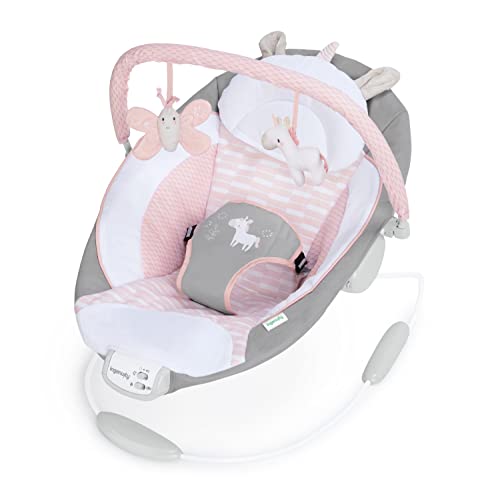 #2
#2
Runner Up
Ingenuity Soothing Baby Bouncer Infant Seat with Vibrations, -Toy Bar & Sounds, 0-6 Months Up to 20 lbs (Pink Flora the Unicorn)
$49.99
Check Price → #3
#3
Best Value
Ingenuity Gas Relief and Anti-Colic Baby Bouncer Seat and Rocker, Gentle Belly Massage to Relax and Soothe Bellies, Instant Tummy Soother, 20 Songs and Melodies – Chambray Blue
$79.99
Check Price →Our Top Picks
Affiliate disclosure: if you buy through these links, we may earn a commission at no extra cost to you.
Factors to Consider
Understanding Reflux: Recline, Movement, and Supervision
⚡ Quick Answer
As a pediatric OT and parent, I look first at recline options — many baby bouncers offer adjustable reclines, which can help babies with reflux by keeping them slightly upright and more comfortable after feeds. Gentle bouncing or vibration can soothe fussy reflux babies, but use these features for supervised, awake time rather than sleep. Watch for models that allow small adjustments without disturbing a settled baby, which is a real help on tired days.
Table of Contents
Safety Standards, Harnesses, and Stability
Safety is nonnegotiable: look for a secure 3‑ or 5‑point harness and a wide, sturdy base to reduce tipping risk — experts recommend a wide base especially for active infants. Consumer Reports testing through 2026 emphasizes that top bouncers are rigorously tested for both stability and comfort, so check for recognized safety certifications or test results in the product info. As a rule, avoid leaving infants unattended in any bouncer and follow manufacturer age/weight limits closely.
Comfort, Developmental Fit, and Weight Range
Comfort matters for both baby and parent — padded seats, good head support, and removable newborn inserts make bouncers usable from day one and through the early months. Consider longevity: Forbes notes parents often pick models that accommodate up to about 30 pounds so the seat lasts longer as babies grow. I recommend matching the bouncer to developmental milestones (use until baby can push up or sit independently) rather than just age alone.
Portability, Setup Complexity, and Real-World Durability
Lightweight, portable bouncers are invaluable when you want hands-free time while moving from kitchen to bedroom — many top models are intentionally compact for this reason. Check setup complexity: tool-free, snap-fit assemblies save time on exhausted days, whereas some feature-rich models can take more time to assemble. For durability, look at the frame material and warranty; real-world families tell me frames and fabric that withstand daily use are worth paying a little extra for.
Cleaning and Machine‑Washable Covers
Babies are messy, so pick a bouncer with a removable, machine-washable cover — experts advise this feature to keep the seat hygienic without extra stress. Machine-washable and quick-dry fabrics are especially helpful for frequent spit-up or diaper accidents, and many reviewers prefer covers that snap off without tools. If a cover is only spot-cleanable, plan for more hands-on maintenance and factor that into daily convenience.
Frequently Asked Questions
Are baby bouncers safe for babies with reflux?
Yes — when used correctly. Many bouncers offer adjustable recline positions that can help babies with reflux stay more upright and comfortable for short, supervised periods; avoid using the bouncer for unsupervised or prolonged sleep. Always follow the manufacturer’s guidelines and your pediatrician’s advice for positioning after feeds.
How long can my baby use a bouncer?
Use bouncers until your baby can sit up independently or can push up on hands and knees, as active movement increases tipping risk. For longevity, some parents choose models that accommodate up to about 30 pounds — a range Forbes highlights as common for longer-lasting bouncers.
Can bouncers help soothe a fussy baby?
Yes — gentle motion, vibration, and calming sounds can be effective soothing tools; in fact, What to Expect reports about 70% of parents find bouncers essential for hands-free time in the first year. Combine motion with a secure harness and appropriate recline for best results during supervised, awake time.
Is it safe for my baby to nap in a bouncer overnight?
No — bouncers are not intended for unsupervised or overnight sleep. They are designed for short, supervised periods; for safe sleep, follow AAP guidelines and use a flat, firm crib or bassinet approved for overnight sleep.
What should I look for in terms of safety certifications?
Look for evidence of compliance with recognized toy and juvenile product standards and any testing results the manufacturer shares; Consumer Reports’ 2026 testing is a useful benchmark for models that have been independently evaluated. Also check for a secure harness system, a wide base, and clear weight/age limits in the manual.
How easy are bouncers to clean?
Very easy if you choose the right model: removable, machine-washable covers are strongly recommended by experts and make daily upkeep much simpler. If a model is only spot-cleanable, plan for more hands-on maintenance after spit-ups or diaper leaks.
How portable are bouncers—can I move them between rooms or travel with one?
Many bouncers are intentionally lightweight and portable, making them simple to carry from room to room or pack for visits, which parents value for hands-free time. Check the product weight, foldability, and whether disassembly is tool-free if you expect to travel frequently with it.
Conclusion
For Spring babies with reflux, I recommend a bouncer that combines an adjustable recline, a secure 3‑ or 5‑point harness, a wide stable base, and a removable machine‑washable cover. Prioritize models that are lightweight and easy to set up so you get soothing benefits without extra work on busy — or tired — days.


