

Best Baby Bouncers for Soothing Fussy Babies with Springtime Reflux
🏆 Top Picks at a Glance
 #1
#1
Best Overall
Tiny Marvels Baby Bouncer Seat 0–12 Months, Ergonomic Portable Design with 3-Point Harness, Soothing Music & Removable Toy Bar, Foldable Baby Seat for Newborns & Toddlers Under 20 lbs
$59.99
Check Price →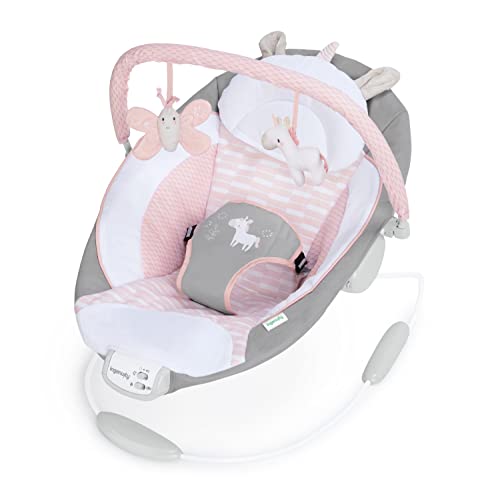 #2
#2
Runner Up
Ingenuity Soothing Baby Bouncer Infant Seat with Vibrations, -Toy Bar & Sounds, 0-6 Months Up to 20 lbs (Pink Flora the Unicorn)
$49.99
Check Price → #3
#3
Best Value
Munchkin® Electric Baby Bouncer & Rocker with Digital Touch Display, Soothing Sounds & 3 Recline Positions - Automatic Bouncing & Rocking, Grey
$139.99
Check Price →Our Top Picks
Affiliate disclosure: if you buy through these links, we may earn a commission at no extra cost to you.
Factors to Consider
Safety certifications and standards
⚡ Quick Answer
As a pediatric OT and experienced parent, I always start with safety labeling. Look for JPMA certification and clear weight/age specifications, which indicate independent testing and alignment with safety practices for infant gear. A stable anti-tip base, a secure harness (preferably five-point), and smooth edges reduce risk during soothing sessions. If a model lacks clear certification info, consider choosing a different option.
Table of Contents
Age, weight range, and developmental suitability
Most bouncers are designed for newborns up to about 20-25 pounds, with exact ranges listed by the manufacturer. Choose seats with adjustable recline and gentle head support so babies with limited neck control or reflux can ride comfortably in a semi-upright position. Remember these devices are for supervised soothing, not as a substitute for tummy time or independent sitting when development advances. If your baby outgrows the weight limit, transition to floor-based play and movement.
Comfort and reflux-friendly positioning
For babies with reflux, a mild incline can help during soothing sessions. Look for a seat that supports a snug, ergonomic posture and includes removable head/neck cushions to adapt as your baby grows. A removable toy bar or overhead links makes transfers easier and reduces wake-ups when you move baby to a different space. Avoid adding extra props (blankets, pillows) that aren’t designed for the product.
Setup, portability, and durability
Opt for tool-free assembly and a wide, stable base so you can place the bouncer on the floor without disturbing a sleeping baby. If you travel or move around the house, a fold-flat design and light frame save caregiver energy. Durable frames in powder-coated steel or rugged plastic with reinforced joints tend to withstand daily use, drops, and the inevitable messes of springtime life. Check how easy it is to remove the seat for cleaning and reattachment.
Cleaning, washes and fabrics
Machine-washable covers and removable pads are a big time-saver after spit-ups and diaper blowouts. Confirm fabric is colorfast, resistant to pilling, and has clear washing instructions. For ongoing safety, avoid soaking the entire seat frame and opt for spot-cleaning the harness and frame as needed, followed by air-drying to protect integrity over time.
Frequently Asked Questions
What age and weight range are typically recommended for baby bouncers?
Most models are designed for newborns up to about 20-25 pounds, with exact ranges listed by the manufacturer. Always check the product label and manual for limits and consider your baby’s head control before unsupervised use. If your baby outgrows the seat, transition to floor-based play to support ongoing development.
Are bouncers safe for babies with reflux, and can they help soothe symptoms?
Some reflux tends to improve in a semi-upright position, so a gentle incline during soothing sessions can be helpful. Research notes that upright positioning after feeds may reduce reflux episodes, but it should be temporary and used with supervision; a bouncer is not a medical treatment. Use the bouncer for short, supervised intervals and shift to other soothing methods as needed, never as a sleep surface.
What safety certifications should I look for when buying a bouncer?
Prioritize JPMA certification and clear age/weight labels, along with a secure five-point harness and a stable anti-tip base. Some models also reference ASTM safety standards for infant products, which adds an extra layer of assurance. Always review recall histories or safety notices for the exact model you’re considering.
How easy is it to set up and take down, and are travel-friendly options available?
Most bouncers offer tool-free assembly, and many fold flat for compact storage or travel. Setup and weight vary by model, so read user reviews for real-world time estimates. If you’ll use the bouncer in multiple rooms, a lighter frame and a simple folding mechanism can reduce caregiver fatigue.
How should I clean and maintain a bouncer, and are the covers machine washable?
Removable, machine-washable covers are a major time-saver after messes. Check fabric care labels before washing and use mild detergent to protect baby’s skin. For longevity, avoid submerging the frame; spot-clean and air-dry to preserve fit and fabric integrity.
How much use per day is appropriate, and should a bouncer ever be used for sleep?
Use the bouncer for short, supervised sessions and watch for overstimulation cues. Some studies and pediatric guidance caution against relying on stationary infant devices for extended periods, as this may impact motor development; alternate with floor play and other soothing strategies. Do not use the bouncer as a sleep surface and keep the baby within arm’s reach during use.
Do vibrating or music features make a noticeable difference, and are they safe?
Vibration and gentle sounds can help calm a fussy baby, but they aren’t essential and should be used sparingly. Ensure any battery or plug-in components are quiet, safe, and easy to operate with minimal fuss. As with all features, prioritize responsive caregiving and monitor your baby’s tolerance and comfort.


