

How to Choose the Right Nursery Furniture
⚡ Quick Answer
Welcoming a new baby is an exciting journey, but it also comes with the important responsibility of creating a safe and functional nursery. The right nursery furniture not only supports your baby’s growth and development but also provides peace of mind for exhausted but attentive parents. Making informed decisions about furniture ensures your little one’s safety, promotes healthy habits, and makes daily routines smoother.
Table of Contents
As both a pediatric OT and a parent, I know how overwhelming it can feel to sift through countless options. Focus on safety certifications, ease of use, durability, and adaptability, and you'll find choices that align with your family’s needs and your baby’s growth. Let’s walk through the essential considerations to help you create a nursery that’s both secure and welcoming.
Our Top Picks in Detail
Affiliate disclosure: if you buy through these links, we may earn a commission at no extra cost to you.
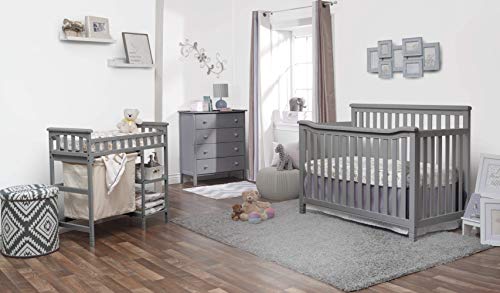
Sorelle Palisades 3-Piece Nursery Set with 4-in-1 Convertible Crib, 4-Drawer Dresser, Changing Table with Hamper, Baby Furniture Made of Wood, Non-Toxic Finish, Nursery Furniture Set - Grey
$429.99Check Price →This is the pick to look at first if you want a reliable, well-rounded option that handles everyday use without unnecessary compromises. Sorelle Palisades 3-Piece Nursery Set with 4-in-1 Convertible Crib, 4-Drawer Dresser, Changing Table with Hamper, Baby Furniture Made of Wood, Non-Toxic Finish, Nursery Furniture Set - Grey delivers solid performance across the features that matter most in this category.

Child Craft Redmond Design 4-in-1 Convertible Baby Crib Nursery Furniture Set - Baby Bed, Dresser, Changing Table Topper and Chest Drawer for Babies, Toddlers and Kids (4 Piece - Coach Cherry)
$1490.95Check Price →If the top pick doesn't quite fit your situation, Child Craft Redmond Design 4-in-1 Convertible Baby Crib Nursery Furniture Set - Baby Bed, Dresser, Changing Table Topper and Chest Drawer for Babies, Toddlers and Kids (4 Piece - Coach Cherry) is worth a close look as a capable alternative that still covers the essentials well.

Delta Children Asher Crib and Dresser Nursery Furniture – 6-in-1 Convertible Crib with Toddler Rail | Fully Assembled 6 Drawer Dresser with Changing Top | Rustic Mist
$1249.99Check Price →For buyers who want the most for their money without sacrificing the features that actually matter, Delta Children Asher Crib and Dresser Nursery Furniture – 6-in-1 Convertible Crib with Toddler Rail | Fully Assembled 6 Drawer Dresser with Changing Top | Rustic Mist is the practical choice at this price point.
Safety and Certifications
First and foremost, your nursery furniture must prioritize safety. Look for products that meet or exceed safety standards set by organizations like the U.S. Consumer Product Safety Commission (CPSC) or Juvenile Products Manufacturers Association (JPMA). Certifications indicate that the furniture has undergone rigorous testing for stability, choking hazards, toxin levels, and mechanical safety.
For example, cribs and bassinets should have fixed sides or approved drop sides, and should be free from sharp edges or small parts that could pose a choking risk. When selecting a changing table or storage units, ensure they have rounded edges, secure anchoring to prevent tipping, and non-toxic paint or finishes.
Age Appropriateness and Growth
Babies grow quickly, so selecting furniture that adapts with their development can be a smart investment. While a bassinet is perfect for newborns, your baby will eventually need a crib or toddler bed. Similarly, adjustable changing tables or convertible dressers can serve multiple purposes through different stages.
Consider height adjustments—can the furniture grow taller or lower as your child gets bigger? For example, some changing tables include removable tops or adjustable heights that suit your baby’s size and your comfort. Always verify that the furniture is suitable for your baby’s age range and capable of supporting their weight safely.
Ease of Setup and Maintenance
Tired parents don’t need complicated furniture that takes hours to assemble or requires frequent repairs. Look for pieces that come with straightforward setup instructions, minimal hardware, and tools you likely already have at home. Many modern cribs and changing stations feature modular designs that click into place, reducing assembly time.
Beyond setup, maintenance matters too. Choose furniture with washable or wipeable surfaces—painted wood or laminate finishes are generally easier to keep clean and free from stains or dust. Rounded edges and smooth surfaces also reduce issues with cleaning crevices or trapped dirt.
Space Efficiency and Layout
Nurseries vary greatly in size, so thoughtful layout planning can make a big difference. Consider multifunctional furniture—like cribs with under-crib storage or dressers with changing pad surfaces integrated on top. Vertical storage units help keep essentials accessible without cluttering the room.
Before buying, sketch a layout considering the placement of outlets, windows, and doorways. Ensure there's enough space for easy movement, diaper changes, and supervising your baby from various angles. Compact furniture options are ideal for smaller rooms, while larger nurseries can accommodate feature-rich pieces with plenty of storage.
Durability and Quality
Good nursery furniture should withstand daily use over many years. Pay attention to construction quality—solid wood or high-quality MDF frames tend to last longer than cheap particleboard options. Drawers and beds should operate smoothly without sticking or wobbling, and finish surfaces should resist scratches and stains.
Although durable furniture might cost more initially, it often results in fewer replacements and less worry about safety recalls or defects. Always check for warranties or guarantees, and consider how you'll clean and maintain the furniture to preserve its condition over time.
Practical Tips for Parents
Living with a newborn means juggling countless priorities. Choose versatile, safety-certified furniture that can grow with your baby, and prioritize ease of cleaning to keep the nursery hygienic. Think about how furniture placement affects your daily routines—accessible storage, open space for movement, and adjustable features all contribute to a calmer, more organized environment.
Finally, remember that simplicity and safety are your best guides. Don’t feel pressured by trends; instead, select durable, age-appropriate furnishings that support your child's safety and your peace of mind.
Frequently Asked Questions
What safety standards should I look for in nursery furniture?
Look for certifications from the CPSC, JPMA, or other reputable safety organizations. Ensure furniture has been tested for stability, non-toxic finishes, and absence of small choking parts.
How long can I use a crib or bassinet?
Most cribs are designed for infants until about 2-3 years old or until the child can climb out. Bassinets are suitable for the first 4-6 months—once your baby reaches the weight limit or shows signs of rolling, transition to a toddler bed or standard crib.
Are convertible furniture pieces worth it?
Yes, if they are well-made. Convertible cribs that turn into toddler beds or twin-sized beds extend the lifespan of your investment and reduce clutter, making them a practical choice for many families.
How important is the material of nursery furniture?
Material impacts durability, maintenance, and safety. Solid wood, non-toxic finishes, and easy-to-clean surfaces are generally best. Avoid furniture with heavy or toxic paints, or those made from cheaply manufactured composite materials.
Can I personalize nursery furniture?
Absolutely! Many parents paint or decorate furniture to match their nursery theme. Just be sure any modifications don’t compromise safety—avoid sharp paint finishes or removable small parts.
Building the perfect nursery isn’t about perfection, but about creating a safe, adaptable space where your baby can thrive and you can feel confident. Take your time selecting trusted, high-quality furniture that fits your space, budget, and family lifestyle—your baby’s comfort and safety are worth it.


