

Best Spring Baby Gear 2026
🏆 Top Picks at a Glance
 #1
#1
Best Overall
Graco Extend2Fit Convertible Baby Car Seat, Rear and Forward Facing, Adjustable Extension Panel for Extra Legroom, Gotham
$239.99
Check Price → #2
#2
Runner Up
Graco SnugRide SnugFit Infant Car Seat, Baby Car Seat with Anti Rebound Bar for Extra Safety, No-Rethread Harness, LATCH Equipped Carseat, Baby Essentials, Gift for New Parents, Gotham
$179.99
Check Price →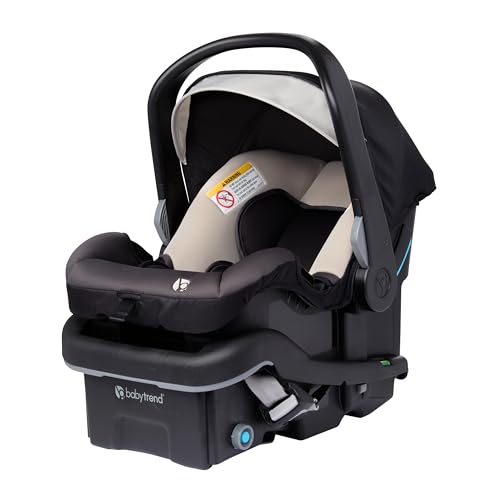 #3
#3
Best Value
Baby Trend EZ-Lift™ PRO Infant Car Seat, Dash Tan
$95.99
Check Price →Our Top Picks
Affiliate disclosure: if you buy through these links, we may earn a commission at no extra cost to you.
Factors to Consider
Safety certifications and third‑party testing
⚡ Quick Answer
When shopping, prioritize products with JPMA certification and clear third‑party testing labels that verify performance in real‑life use. For car seats, ensure the item meets FMVSS 213 guidelines and includes an easy‑to‑read installation guide. Certifications help, but always pair them with careful reading of the manual and proper fit in your vehicle. Remember that the safest gear is the one you use correctly every day.
Table of Contents
Developmental fit and age range
Choose gear that matches your baby’s current milestones and that can grow with them. Check weight and height limits and look for adjustable supports that promote a natural, ergonomic position. Avoid designs that restrict hip development or force awkward angles for more than a few minutes. Look for items that offer transitions as baby grows (e.g., bassinet to crib, newborn to toddler carrier).
Setup complexity and on‑the‑go practicality
Opt for items with simple, tool‑free assembly, clearly labeled parts, and quick‑release components so you’re not wrestling with instructions while sleepy. Practice installing car seats and setting up monitors before baby arrives, using a partner to simulate a real day with a sleepy infant. If you regularly travel or visit family, choose gear that folds compactly and fits your car seat base or stroller frame with minimal fuss. Clear pivot points and color coding help reduce mistakes.
Washability, materials, and safety finishes
Look for machine‑washable or easily spot‑cleanable fabrics, removable covers, and reinforced seams that withstand daily use. Verify that materials are free from harmful chemicals (BPA‑free plastics, lead‑free paints, low‑VOC finishes) and cite any safety certifications on fabric testing. A product that’s easy to clean reduces the risk of bacteria buildup in high‑use items like nursing pillows and diaper bags. Note how the manufacturer supports repairs or replacements if a seam fails.
Durability, warranties, and cross‑gear compatibility
Choose items with robust construction, generous weight limits, and access to replacement parts if something wears out—this matters more as you juggle feeds, diapers, and laundry. A practical warranty and readily available spare parts save money and reduce waste over time. Also check compatibility between items (car seat bases, stroller frames, and nursing pillows) to minimize clutter and maximize daily usefulness. Longevity often hinges on thoughtful design and good customer support.
Frequently Asked Questions
1. What safety certifications should I look for on a baby monitor?
Seek monitors with FCC labeling and UL or ETL safety listings, confirming electronics meet testing standards. Prefer DECT or similarly interference‑resistant options to reduce dropouts at night, and check for secure pairing and privacy features. Remember that no monitor replaces supervision and safe sleep practices.
2. How do I choose a car seat for newborns and toddlers?
Choose a convertible or all‑in‑one seat that supports newborn rear‑facing and transitions to forward‑facing as your child grows. Ensure easy, correct installation with LATCH or seat belt and verify the seat’s weight and height limits; if possible, have it checked by a certified technician. Always follow the manufacturer guidance and have the seat re‑checked after any installation changes.
3. Is a nursing pillow safe to use at night?
Nursing pillows are for feeding time; they should not be used as part of the sleep surface. Use a firm, flat sleep surface free of pillows and loose items to reduce suffocation risk, in line with AAP guidelines. If you’re using it during awake hours, position it to support comfortable nursing without crowding the baby’s airway.
4. When can my baby sleep in a bassinet?
Bassinet use is typically recommended for newborns through about 4–6 months or until the baby reaches the bassinet’s weight limit. Always supervise sleep and move to a crib if the baby begins to roll or push up. Ensure a firm, flat sleep surface with no loose bedding or toys.
5. How do I choose a safe and comfortable baby carrier?
Look for ergonomic carriers that support an M‑position for hips and keep baby’s airway clear, with adjustable straps and secure fastenings. Check the weight range and confirm you can position baby’s head and neck properly, especially for newborns. Practice with a partner to learn correct wearing and transfers before you’re out and about.
6. What should I look for in nursery furniture for safety?
Choose sturdy construction, toxin‑free finishes, and compliance with safety standards for cribs and dressers; avoid designs with loose parts that could detach. Anchor furniture to the wall to prevent tipping and verify there is no hazardous drop‑side hardware (if you’re buying used or older items, upgrade as needed). Look for easy‑to‑clean surfaces and a warranty that covers common wear and tear.
7. How can I choose a durable diaper bag?
Prefer bags with durable, easy‑to‑clean materials and machine‑washable linings; prioritize wide openings for quick access and compartments that keep essentials organized. Comfort‑focused straps and a secure stroller clip reduce daily strain. If you travel often, pick a versatile design that can grow with your family and be easily wiped down after messy outings.


