

Best Baby Carriers For Everyday Use In 2026
🏆 Top Picks at a Glance
 #1
Best Overall
Momcozy PureHug Baby Carrier - Ergonomic, Cozy and Lightweight for 7-45 lbs
$64.99
Check Price →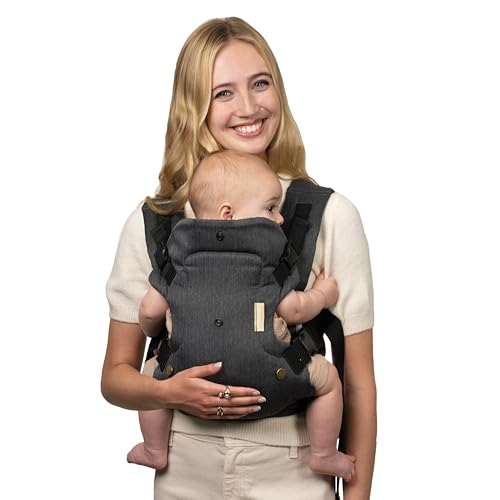 #2
Runner Up
Infantino Flip Luxe 4-in-1 Baby Carrier Ergonomic 7-35 lbs, Onyx
$39.99
Check Price →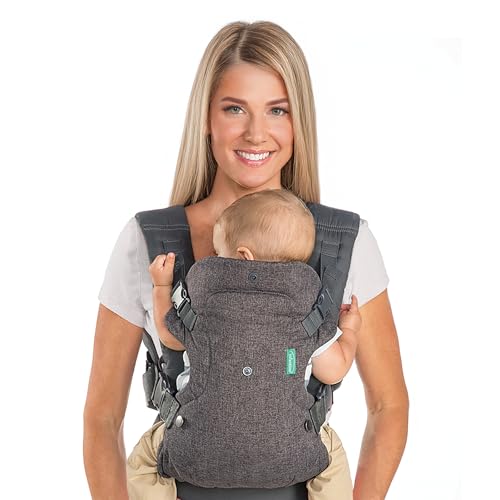 #3
Best Value
Infantino Flip 4-in-1 Baby Carrier Convertible Ergonomic, Gray
$28.91
Check Price →The best baby carrier is not simply the softest one—it is one that supports a secure fit while making everyday movement more manageable for a caregiver. In Safety and benefits of adult-worn slings and baby carriers: a narrative review, researchers examined 62 papers published from 2000 through 2024 and found that reported carrier-related injuries mainly involved falls or asphyxia associated with poor fit or positioning. This guide compares the Momcozy PureHug, Momcozy wrap, and Infantino Flip carriers by weight range, adjustability, setup, care requirements, and everyday practicality, with safety instructions and developmental readiness kept at the center.
⚡ Quick Answer: Best Baby Carriers
Best Lightweight Comfort: Momcozy PureHug Baby Carrier - Ergonomic, Cozy and Lightweight for 7-45 lbs
$64.99 — Check price on Amazon →
Table of Contents
Main Points
- Prioritize fit and positioning before appearance: the review in Safety and benefits of adult-worn slings and baby carriers: a narrative review linked reported falls and asphyxia concerns primarily with improper fit or positioning, so follow the manufacturer’s instructions and check your baby’s airway and posture each time.
- Match the carrier to your baby’s current size and developmental stage. The Momcozy PureHug is listed for 7–45 lb, the Infantino Flip models for 7–35 lb, and the Momcozy wrap for newborns through 33 lb; confirm the specific model’s minimum-weight and facing-direction requirements before use.
- Choose the setup you will actually use when tired. Structured carriers such as the PureHug and Flip designs may differ in how they adjust, while the two-piece Momcozy wrap may suit parents who prefer a softer wrap format; practice at home before wearing your baby on the go.
- Consider caregiver comfort as a safety and usability issue, not a luxury. Ill-fitting carriers were associated with adult pain and discomfort in the review, so look for manageable adjustments, even weight distribution, and a secure infant position that does not restrict breathing.
- Check the care instructions and long-term practicality before buying. Compare cleaning requirements, buckle and strap construction, and how quickly each carrier can be put on; a carrier that supports mobility and responsiveness is more useful than one that stays in the closet.
Our Top Picks
Affiliate disclosure: if you buy through these links, we may earn a commission at no extra cost to you.
Factors to Consider
Frequently Asked Questions
What is the safest position for a baby in a carrier?
Keep your baby upright and snug against your body, with the face visible, the chin off the chest, and the nose and mouth uncovered. The hips and legs should be supported according to the carrier’s instructions, and the fit should be checked whenever you reposition or remove your baby.
Can newborns use a baby carrier?
Some carriers are designed for newborns, while others require a specific insert or have a higher minimum weight. Confirm the manufacturer’s newborn guidance before use, and do not improvise padding or positioning if the instructions do not clearly explain how to achieve a secure fit.
Are baby carriers safe for long periods?
A carrier can support everyday mobility, but your baby’s position and your own comfort should be checked regularly rather than assuming the fit stays correct. The review Safety and benefits of adult-worn slings and baby carriers: a narrative review associated reported carrier-related injuries mainly with falls, poor fit, or improper positioning, so take breaks and reposition your baby when needed.
Which is better for everyday use: a wrap, sling, or structured carrier?
Wraps and slings are often lightweight and portable, while structured carriers typically offer faster setup and different support and adjustment features. The best choice is the one you can fit consistently and use without pain, while still meeting your baby’s age, weight, and positioning requirements.
How do I know if a baby carrier fits correctly?
Your baby should be high and close enough to kiss, with the back supported, the face visible, and the airway unobstructed. The carrier should feel secure without cutting into the baby or caregiver, and the straps and buckles should remain adjusted during normal walking and bending.
Can a baby carrier cause back pain?
It can, particularly when the carrier is poorly adjusted, the baby is positioned too low, or the weight is concentrated on one part of the caregiver’s body. Safety and benefits of adult-worn slings and baby carriers: a narrative review reported an association between ill-fitting carriers and pain or discomfort for adult wearers, so adjust the carrier’s straps and other support features until the load feels balanced.
What safety certifications should I look for in a baby carrier?
Look for clear information about compliance with applicable consumer-product safety requirements and standards for your market, along with complete instructions and warnings. Avoid products with vague safety claims, missing manufacturer information, damaged hardware, or unclear weight and age limits; certification information should be verifiable rather than presented only as marketing language.
How often should I wash and inspect a baby carrier?
Follow the care label and clean the carrier whenever it has visible milk, spit-up, food, or dirt, using only the recommended washing method. Before each use, check buckles, snaps, stitching, straps, and fabric for damage or loosening, and stop using the carrier if any load-bearing component is compromised.
Conclusion
For most families, the best everyday baby carrier is an adjustable, supportive model with clear instructions for fit and safe positioning. Choose the carrier you can fit correctly every time and that keeps both baby and caregiver comfortable; the evidence reviewed in Safety and benefits of adult-worn slings and baby carriers: a narrative review supports mobility and responsiveness when carriers are used according to their instructions.


